
Nothing beats the smell of a simmering stew on a cozy afternoon. This Gluten-Free Beef Stew Recipe is one of those comforting dishes that wraps you up with warmth and hearty flavor in every bite. It’s packed with tender beef, fresh veggies, and a rich broth that feels like a big kitchen hug.

Jump to:
Why You'll Love This Recipe
I’ve made a lot of stews over the years, but this Gluten-Free Beef Stew Recipe always feels extra special. It’s one of those recipes that strikes the perfect balance between easy and impressive, and it fits perfectly into a gluten-free lifestyle without sacrificing any of the rich, deep flavor you want in a homemade stew.
- Hearty and comforting: Every bite delivers tender beef and melt-in-your-mouth vegetables, perfect for chilly days.
- Gluten-free and naturally delicious: No hidden gluten here—just pure, satisfying ingredients that everyone can enjoy.
- Simple enough for weeknights: Minimal fuss but maximum flavor, so you can come home to dinner ready to warm you up.
- Flexible and customizable: I’ll share ways to tweak it to fit your taste or what you have on hand.
Ingredients & Why They Work
Choosing the right ingredients is everything in a stew. They need to tenderize and build layers of flavor over slow cooking. Here’s why the ingredients in this Gluten-Free Beef Stew Recipe come together so effortlessly.

- Stew beef: Cubes with a bit of marbling give you that juicy, tender bite after slow cooking.
- Olive or avocado oil: A good base for browning the meat without overpowering.
- Yukon gold potatoes: These keep their shape better than others while soaking up all that stew goodness.
- Carrots and celery: Classic stew veggies that add sweetness and crunch to balance the savory broth.
- Onion and garlic: Aromatics that form the backbone of the flavor profile.
- Crushed tomatoes and balsamic vinegar: These add a subtle tang and depth, cutting through the richness.
- Beef broth or bone broth: The liquid power that ties all ingredients together in one savory sauce.
- Fresh rosemary and bay leaves: Herbs that infuse the stew with an earthy, fragrant pitch.
- Cornstarch or arrowroot: For a naturally gluten-free way to thicken the stew, giving it that perfect consistency.
- Frozen peas: Added at the very end to bring a pop of color and a touch of sweetness.
Make It Your Way
One of the best parts about this Gluten-Free Beef Stew Recipe is how adaptable it is. Over the years, I’ve swapped veggies, played with herbs, and even changed cooking methods, depending on the season and my mood.
- Variation: I love adding mushrooms or parsnips for a deeper earthy flavor when I want more variety in the veggies.
- Slow cooker method: For a hands-off approach, toss everything in the slow cooker except the thickener and peas, and cook on low for 6-8 hours.
- Spice it up: Adding a pinch of smoked paprika or a dash of cayenne gives it a subtle kick when you want something a little different.
- Make it extra hearty: Swap regular potatoes with sweet potatoes or add a can of drained chickpeas for more fiber.
Step-by-Step: How I Make Gluten-Free Beef Stew Recipe

Step 1: Brown the Beef for Maximum Flavor
Heat your oil over medium-high heat, then add the beef cubes in batches. Don’t crowd the pan—that’s the biggest trick to getting a nice brown crust instead of steaming the meat. Season lightly with salt and pepper and let each side brown well, about 3-4 minutes per side. The inside will still be a bit pink, and that’s perfect! Set the browned beef aside on a clean plate so it can rest while you work on the veggies.
Step 2: Sauté Your Veggies and Build Flavor
Throw the onions, carrots, celery, and potatoes into your pot. Season with the rest of your salt and pepper and stir everything around, scrapping up those browned bits from the bottom of the pan—that’s pure flavor gold. Cook for about 4-5 minutes until the vegetables start to soften but aren’t mushy.
Step 3: Layer in Tomatoes, Vinegar, and Garlic
Add crushed tomatoes, balsamic vinegar, and minced garlic next. Stir everything well to combine—the tomatoes and vinegar add that subtle tang that brightens the stew beautifully.
Step 4: Return the Beef and Add Broth
Put the browned beef back into the pot, along with any juices collected on the plate. Pour in your beef broth, then nestle the rosemary sprigs and bay leaves right into the mix. Give it all a good stir before bringing your stew to a gentle simmer over medium heat.
Step 5: Slow Simmer Until Fork-Tender
Let the stew bubble gently for 1 ½ to 2 hours, stirring occasionally. This slow cook is what transforms the beef into tender, flavorful bites. If the liquid starts to get too low, just splash in some water to keep that perfect stew consistency.
Step 6: Thicken and Finish with Peas
Once your beef is tender, fish out the bay leaves and rosemary stems. Mix your cornstarch (or arrowroot) with water until smooth, then stir the slurry into the stew. Let it cook for 2-3 minutes till it thickens nicely. Last, stir in frozen peas and let them heat through for 1-2 minutes—freshness and color in a flash!
Top Tip
One thing I’ve learned after making this Gluten-Free Beef Stew Recipe multiple times? Patience is your best friend. The longer you let it simmer low and slow, the more the flavors meld and the beef softens. Also, don’t skip browning the meat—it adds so much richness you just can’t fake.
- Browning is crucial: Take your time to brown the beef in batches so it seals in juices and adds flavor.
- Scrape those browned bits: Don’t forget to scrape the bottom while sautéing veggies; that caramelization is where magic happens.
- Use fresh herbs for aroma: Rosemary and bay leaves elevate the stew's fragrance—fresh sprigs make a noticeable difference.
- Thickness check: If your stew isn't thick enough, add a bit more cornstarch slurry, but do it slowly to avoid clumping.
How to Serve Gluten-Free Beef Stew Recipe

Garnishes
I always garnish my stew with a sprinkle of fresh parsley—it adds a pop of color and fresh flavor that brightens the whole bowl. Sometimes I throw on a little cracked black pepper or a drizzle of good olive oil for richness.
Side Dishes
This stew stands beautifully on its own but pairs perfectly with a simple green salad or gluten-free crusty bread for sopping up that luscious sauce. Roasted Brussels sprouts or a side of sautéed greens also make great companions.
Creative Ways to Present
For special occasions, I’ve served this stew in individual mini cocottes or bread bowls to impress guests. Another fun idea is topping it with a dollop of sour cream or a sprinkle of grated Parmesan to add some extra creaminess and tang.
Make Ahead and Storage
Storing Leftovers
Leftover stew keeps beautifully in the fridge airtight for 3 to 4 days. I like to use glass containers so I can see what’s inside and it reheats evenly without flavor loss.
Freezing
This Gluten-Free Beef Stew Recipe freezes really well, too. I portion it into individual freezer-safe containers or bags for easy weeknight dinners. Just thaw overnight in the fridge before reheating.
Reheating
To reheat, I prefer warming it gently on the stovetop over low heat. Stir occasionally to keep the stew from sticking or overheating in one spot. You can add a splash of broth or water if it thickened too much during storage.
Frequently Asked Questions:
Absolutely! For slow cooker preparation, brown the beef and sauté the vegetables as usual, then combine all ingredients except the thickener and peas in the slow cooker. Cook on low for 6-8 hours until beef is tender, then thicken and add peas in the last few minutes.
Yukon gold potatoes are ideal for their creamy texture and ability to hold shape, but you can use red potatoes or even sweet potatoes for a different twist. Just keep in mind sweet potatoes will add a bit of sweetness to the stew.
The secret is using cornstarch or arrowroot as a thickener instead of flour, and ensuring your broth and ingredients are labeled gluten-free. This keeps the stew safe and friendly for gluten-sensitive diets without losing flavor or texture.
Yes! This stew tastes even better the next day as the flavors deepen. You can make it a day ahead, store it in the fridge, and simply reheat gently when ready to serve.
Final Thoughts
This Gluten-Free Beef Stew Recipe is truly a staple I keep coming back to. It’s one of those dishes that feels like a warm blanket on tough days or a guest star on busy weeknights. I promise you’ll appreciate its balance of simple ingredients, rich flavors, and cozy comfort. Give it a try—you might just find your new favorite stew!
Print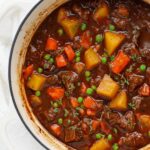
Gluten-Free Beef Stew Recipe
- Prep Time: 20 minutes
- Cook Time: 2 hours
- Total Time: 2 hours 20 minutes
- Yield: 10 cups
- Category: Main Course
- Method: Stovetop
- Cuisine: American
- Diet: Gluten Free
Description
This hearty Gluten-Free Beef Stew is a comforting, flavorful dish made with tender chunks of beef, fresh vegetables, and a rich broth thickened to perfection. Perfect for chilly days, this stew combines wholesome ingredients like Yukon gold potatoes, carrots, celery, and aromatic herbs, delivering a satisfying meal that is both gluten-free and nourishing.
Ingredients
Beef and Seasoning
- 1 ½ pounds stew beef, cut into 1-inch cubes
- 1 teaspoon kosher salt
- ½ teaspoon black pepper
- 1 Tablespoon olive oil or avocado oil
Vegetables and Aromatics
- 1 medium onion, diced (about 2 cups)
- 2 cups sliced carrots, cut into ½-inch pieces (5-6 carrots)
- 1 cup sliced celery (about 3 stalks)
- 1-1 ½ pounds Yukon gold potatoes, cut into 1-inch cubes
- 1-2 cloves garlic, minced
- 1 cup frozen peas
Liquids and Flavorings
- 1 (15 oz.) can crushed tomatoes
- ⅓ cup balsamic vinegar
- 4 cups beef broth (beef bone broth preferred)
- 1-2 sprigs fresh rosemary
- 2 bay leaves
Thickening
- 2-3 Tablespoons cornstarch or arrowroot (use 3 for thicker stew)
- ½ cup water
Optional Garnish
- Fresh parsley, for garnish
Instructions
- Brown the Beef: Heat the oil in a large Dutch oven or soup pot over medium-high heat. Working in batches, add beef cubes to the pan, spacing them out to brown evenly. Season with some salt and pepper. Cook each side for 3-4 minutes until browned but still pink inside. Remove the beef to a clean plate and repeat until all beef is browned.
- Sauté the Vegetables: Add diced onion, carrots, celery, and potatoes to the pot along with the remaining salt and pepper. Stir while scraping browned bits from the bottom of the pot to incorporate those flavors. Cook the vegetables for 4-5 minutes until they start to soften.
- Add Tomatoes and Aromatics: Stir in the crushed tomatoes, balsamic vinegar, and minced garlic to the softened vegetables and combine well.
- Combine Beef and Broth: Return the browned beef and any accumulated juices to the pot. Pour in the beef broth and stir everything together thoroughly.
- Simmer with Herbs: Tuck in fresh rosemary sprigs and bay leaves. Bring the stew to a simmer over medium heat, then reduce to medium-low. Let it simmer gently for 1 ½ to 2 hours, stirring occasionally and adding a splash of water if it reduces too quickly, until the beef is tender and easily falls apart.
- Thicken the Stew: Remove the bay leaves and rosemary stems. In a small bowl, whisk together cornstarch and ½ cup water until completely smooth. Stir this slurry into the simmering stew and cook for 2-3 minutes until the stew thickens. Adjust seasoning with additional salt or pepper as needed.
- Add Peas and Serve: Turn off the heat and stir in frozen peas. Allow them to warm for 1-2 minutes. Ladle the stew into bowls, garnish with fresh parsley if desired, and serve warm. Store leftovers in the refrigerator for 3-4 days or freeze for up to 2 months.
Notes
- This stew can also be made using a slow cooker or oven for convenience and different flavor development.
- For thicker stew, use 3 tablespoons of cornstarch or arrowroot as the thickening agent.
- Bone broth adds extra depth and richness, but regular beef broth works fine.
- Feel free to add other root vegetables or mushrooms for variation.
- Leftover stew tastes even better the next day after flavors meld.
Nutrition
- Serving Size: 1 cup stew
- Calories: 175 kcal
- Sugar: 6.5 g
- Sodium: 403 mg
- Fat: 4.7 g
- Saturated Fat: 1.5 g
- Unsaturated Fat: 3.2 g
- Trans Fat: 0 g
- Carbohydrates: 13.8 g
- Fiber: 2.9 g
- Protein: 19.9 g
- Cholesterol: 42 mg




Leave a Reply