
There’s something truly magical about the tangy zing and velvety texture of a Homemade Lemon Curd Recipe that lifts simple dishes into something special. The balance of bright lemon flavor with buttery smoothness is a little sunshine you can spoon onto toast, pastries, or desserts anytime.

Jump to:
Why You'll Love This Recipe
I’ve made lemon curd plenty of times, and this homemade version quickly became my go-to. It’s ridiculously simple yet irresistibly fresh and tangy. What makes it stand out is how perfectly smooth and creamy it feels on your palate—the kind of treat you’ll want to spread on everything!
- Bright, natural flavor: Fresh lemon juice and zest pack a vibrant punch that store-bought versions just don’t match.
- Simple ingredients: Only a handful of kitchen staples come together to make this delicious curd.
- Versatile use: It’s not just for toast — try it in cakes, tarts, layered desserts, or even yogurt bowls.
- Quick and easy: Just about 20 minutes from start to finish, with no fancy equipment needed.
Ingredients & Why They Work
Every ingredient in this Homemade Lemon Curd Recipe plays a simple but essential role in achieving that luscious texture and clean flavor. I always recommend using fresh lemons and the best butter you can find—it really makes a difference.

- Sugar: Adds just enough sweetness to balance the tartness of the lemon without overpowering it.
- Egg and egg yolks: These create the creamy, custard-like base while also thickening the curd beautifully as it cooks.
- Lemon juice: The star of the recipe, bringing bright, fresh citrus flavor that wakes up your taste buds.
- Lemon zest: This intensifies the lemony aroma and taste, giving the curd that extra delicious punch.
- Sea salt: Just a pinch enhances all the flavors and balances out the sweetness and acidity.
- Butter (cold and cubed): Added at the very end, the butter enriches the curd and gives it a silky texture and glossy finish.
Make It Your Way
I love trying out small twists on this lemon curd depending on the season or how I’m feeling—because honestly, it’s such a versatile base. You should feel totally free to adjust the tartness or sweetness to suit your taste buds.
- Variation: Sometimes I add a splash of vanilla extract or a pinch of ginger for a warm note that complements the lemon beautifully.
- Dairy-free option: Substitute the butter with coconut oil if you want to make a dairy-free version—just note the flavor will shift slightly.
- Less sweet: If you prefer a tarter curd, reduce the sugar by a couple of tablespoons and taste as you go.
Step-by-Step: How I Make Homemade Lemon Curd Recipe

Step 1: Mix Ingredients Gently
In a medium non-metal saucepan (I like ceramic coated to avoid any off-flavors), whisk together the sugar, whole egg, egg yolks, fresh lemon juice, lemon zest, and a pinch of sea salt. Make sure there are no lumps of egg—this helps the curd cook evenly and prevents any scrambling.
Step 2: Cook Low and Slow
Place the saucepan over medium-low heat and stir frequently with a whisk or wooden spoon. Patience is key here—you want to gently heat the custard to avoid burning the bottom or curdling the eggs. It will gradually thicken and start bubbling; this usually takes about 8-10 minutes.
Step 3: Finish With Butter for Silkiness
Once thickened, remove from heat right away and transfer the lemon curd to a heat-safe, non-metal container. If it seems lumpy, strain it to keep it perfectly smooth. Stir in the cold cubed butter little by little, whisking until fully melted and velvety.
Step 4: Chill and Cover
To prevent a skin from forming on top, press parchment paper or plastic wrap directly on the surface of the lemon curd. Refrigerate for 1-2 hours until fully chilled and set. The curd will thicken even more and develop that classic luscious texture.
Top Tip
From my experience, a few little habits make the homemade lemon curd process fail-proof and joyful. These tips have saved me from curdled messes and gave me that perfect silky finish every time.
- Use a gentle heat: Keep your stove on medium-low and stir constantly—this prevents the eggs from scrambling and the sugar from burning.
- Non-metal cookware: I swear by a ceramic or non-reactive pan to avoid any metallic taste that lemon juice can sometimes cause.
- Butter at the end: Adding cold butter off the heat helps create that luxurious creaminess without cooking the butter.
- Cover right away: Pressing parchment or wrap on the surface keeps your curd shiny and skin-free—don’t skip this step.
How to Serve Homemade Lemon Curd Recipe

Garnishes
I usually sprinkle fresh lemon zest or a few tiny mint leaves on top when serving because it adds a pop of color and fresh aroma. But a dusting of powdered sugar works beautifully too if you're serving it on scones or pancakes.
Side Dishes
This lemon curd pairs wonderfully with buttery scones, fresh berries, or dolloped on yogurt for breakfast. I often serve it alongside a warm slice of pound cake or spread inside flaky croissants for a decadent treat.
Creative Ways to Present
For special occasions, I layer lemon curd between layers of a vanilla sponge cake with whipped cream for a stunning, tangy dessert. Or spoon it into mini tart shells topped with fresh fruit for an elegant bite-sized treat that’s always a crowd-pleaser.
Make Ahead and Storage
Storing Leftovers
Store leftover lemon curd in an airtight jar or container in the fridge. From my experience, it keeps perfectly for up to 1 week—always smooth and ready to brighten your day whenever you want.
Freezing
I’ve frozen lemon curd in small portions using ice cube trays wrapped in plastic wrap, then transferred to freezer bags. Just thaw overnight in the fridge and gently stir before using—it holds up well and keeps its flavor.
Reheating
To reheat, warm gently in a double boiler or microwave in short bursts, stirring frequently. Be careful not to overheat to prevent curdling—just warm enough to soften it for spreading or mixing.
Frequently Asked Questions:
While traditional lemon curd relies on eggs for structure and richness, you can find egg-free recipes that use cornstarch or agar as thickening agents for a vegan-friendly version. However, the texture and flavor will differ from this classic Homemade Lemon Curd Recipe.
When properly cooked and chilled, lemon curd should be thick enough to coat the back of a spoon without running off too quickly—think a smooth, spreadable custard consistency. If it’s too thin, it likely needs a bit more cooking time or additional chilling.
Curdling happens when the eggs cook too quickly—usually due to high heat or insufficient stirring. Cooking the curd slowly over medium-low heat and stirring constantly helps prevent curdling and keeps the mixture silky and smooth.
I always recommend using fresh lemon juice and zest because they provide the best bright, fresh flavor. Bottled lemon juice often has preservatives or added ingredients that can dull the flavor and affect texture, so fresh lemons make a big difference in the quality of your curd.
Final Thoughts
This Homemade Lemon Curd Recipe is one of those simple pleasures that feels like a little homemade sunshine stored in your fridge. It’s fast enough to whip up any day, but its creamy, tangy richness makes it feel indulgent. Whether you spoon it on toast, bake it into desserts, or eat it by the spoonful, it’s a homemade treasure I’m always excited to share.
Print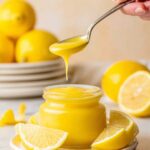
Homemade Lemon Curd Recipe
- Prep Time: 10 minutes
- Cook Time: 10 minutes
- Total Time: 20 minutes
- Yield: 1.5 cups
- Category: Condiment
- Method: Stovetop
- Cuisine: American
- Diet: Vegetarian
Description
This luscious Lemon Curd is a tangy, creamy spread bursting with bright citrus flavor, made from simple ingredients like fresh lemons, eggs, butter, and sugar. Perfect as a spread for scones, a filling for cakes, tarts, or pies, it offers a perfectly smooth, rich texture balanced by vibrant acidity. Homemade lemon curd is far tastier than store-bought and can be whipped up easily in about 20 minutes.
Ingredients
Primary Ingredients
- ⅔ cup sugar
- 1 large egg
- 2 large egg yolks
- ⅓ cup lemon juice (from about 2 lemons)
- 1 lemon zest
- ⅛ teaspoon sea salt
- ⅓ cup butter (cold and cubed)
Instructions
- Combine Ingredients: In a medium saucepan, whisk together the sugar, whole egg, egg yolks, lemon juice, lemon zest, and sea salt until the mixture is smooth with no lumps of eggs.
- Cook the Curd: Place the saucepan over medium-low heat and cook, stirring frequently to prevent burning, until the mixture thickens and starts to bubble gently.
- Add Butter: Remove the saucepan from the heat and immediately transfer the curd to a non-metal heat-safe container or strain it if there are lumps. Add the cold, cubed butter and stir or whisk until the butter is fully melted and the curd becomes smooth.
- Chill: Cover the surface of the curd directly with parchment paper or plastic wrap to prevent a skin from forming. Refrigerate for 1 to 2 hours until chilled and further thickened before serving.
Notes
- Using a non-metal saucepan like ceramic coated helps prevent a metallic flavor in the curd.
- Cold butter helps enrich and thicken the lemon curd, balancing acidity with a creamy texture.
- Covering the curd while chilling prevents a skin from developing on top.
- This recipe yields about 1 ½ cups (26 tablespoons) of lemon curd, suitable for multiple uses.
- The curd is perfect as a spread, filling for tarts, pies, or breakfast items like scones.
- For best flavor, use fresh lemons and handle eggs gently to avoid scrambling during cooking.
Nutrition
- Serving Size: 1 tablespoon
- Calories: 48 kcal
- Sugar: 5 g
- Sodium: 33 mg
- Fat: 3 g
- Saturated Fat: 2 g
- Unsaturated Fat: 1.2 g
- Trans Fat: 0.1 g
- Carbohydrates: 5 g
- Fiber: 0.01 g
- Protein: 0.5 g
- Cholesterol: 28 mg


Leave a Reply